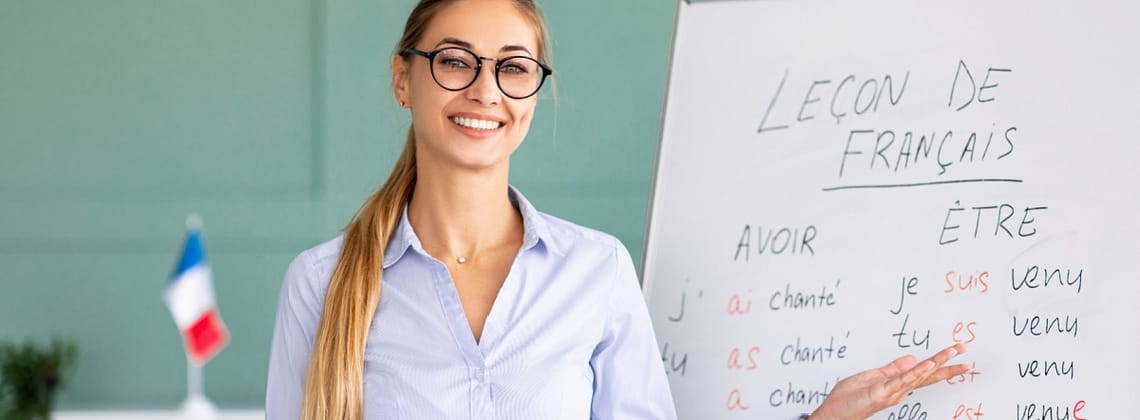
Every year on March 20th, something quietly remarkable happens across five continents. Millions of French speakers, from Montreal to Dakar to Brussels to Hanoi, pause to celebrate the language that connects them. That day is International Francophonie Day, and in 2026, it falls on a Friday.
It’s one of those observances that doesn’t always make the headlines. But for anyone invested in the French language, it genuinely matters.
What the Day Actually Commemorates
International Francophonie Day marks the anniversary of the Niamey Convention, signed on March 20, 1970, in Niger. That agreement brought together French-speaking nations under a shared framework for cultural and linguistic cooperation, giving formal shape to what would eventually become the International Organization of La Francophonie (OIF).
Today, the OIF connects over 80 member states and represents a community of more than 274 million French speakers worldwide. French and English are, notably, the only two languages spoken across all five continents. That fact alone says something about why this celebration carries real weight.
Why March Is the Month to Pay Attention
Francophonie Day on the 20th is really just the anchor of a much longer celebration. The entire month of March functions as a kind of extended tribute to French language and culture, with events running across the United States and beyond. Events include film screenings, literary discussions, culinary workshops, language exchanges, and community gatherings hosted by Alliance Française chapters and cultural institutes from coast to coast.
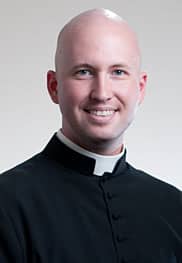
Fr. Philip Johnson, a French translator and academic researcher at Hofstra University, sees this month as more than just a cultural calendar entry. It’s a reminder that French is not a single, fixed thing. It is a living, sprawling, beautifully varied language that carries the histories of dozens of nations.
French is a Shared Identity, Not Just a School Subject
One thing Francophonie Day does well is shift the frame. Instead of treating French purely as a skill to acquire or a subject to pass, it positions the language as something people belong to. There is a reason the word “Francophonie” refers specifically to French-speaking communities and nations, not just the language itself.
That distinction matters. Fr. Philip Johnson has long emphasized that learning French is as much about cultural immersion as it is about grammar rules or vocabulary lists. His own time studying in Paris deepened not just his fluency, but his understanding of what the language actually represents to the people who speak it every day.
A Good Day to Recommit to the Language
Whether you are a seasoned French speaker or still building your confidence with the basics, March 20th is worth acknowledging. Seek out a local Francophonie event. Watch a French-language film. Read a short article in French. Listen to music from a Francophone artist whose work you haven’t explored yet.
The French language has been uniting people across borders for centuries. International Francophonie Day is simply a good excuse to remember that, and to celebrate it.
Leave a Reply